



What's on




International Theatre Magazine
Young cultural journalists strongly involved in the artistic life around them offer their original point of view on the theatre structures of their country and of Europe.


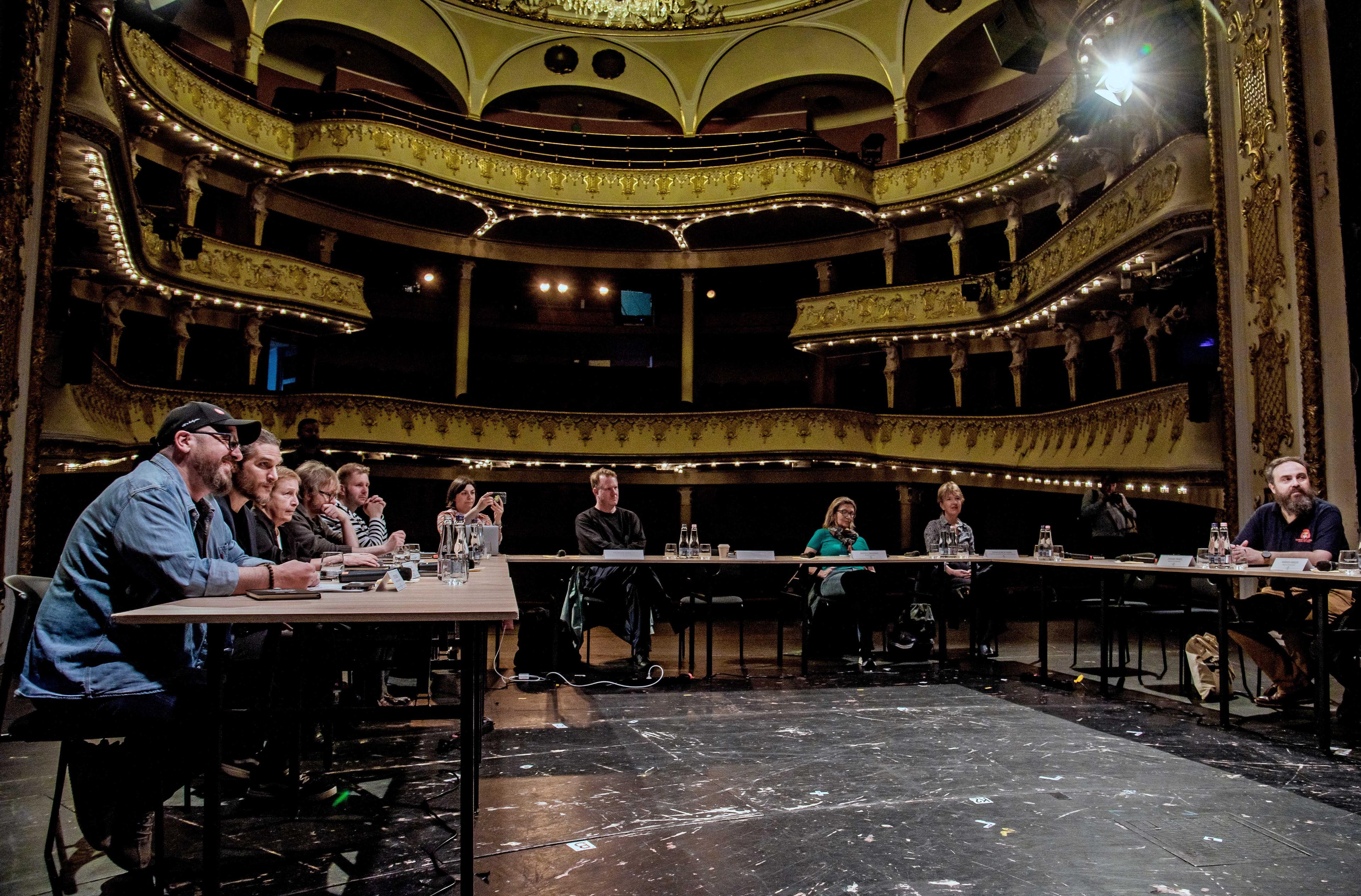







INTERFERENCES TURNS TEN
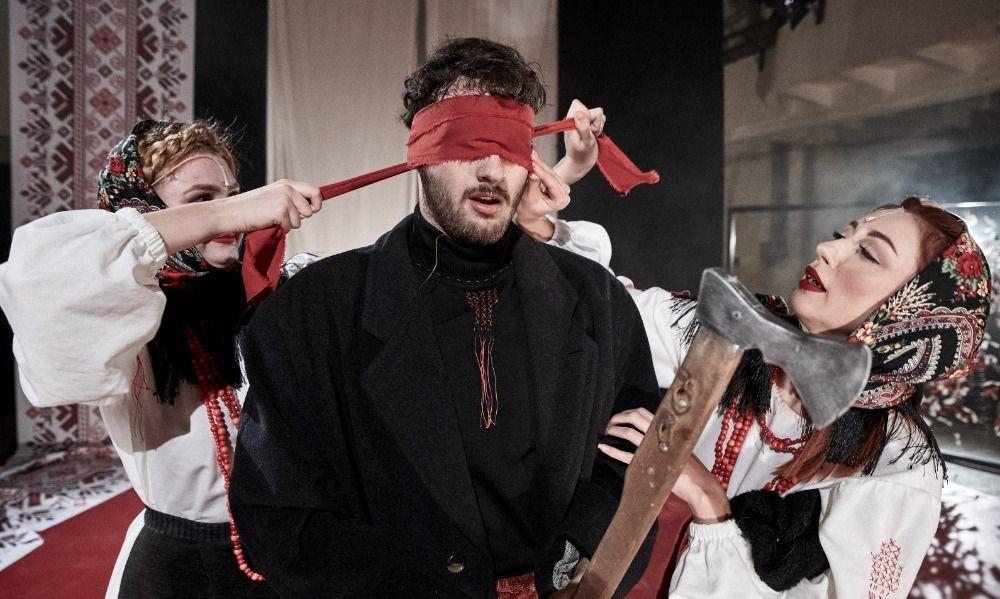
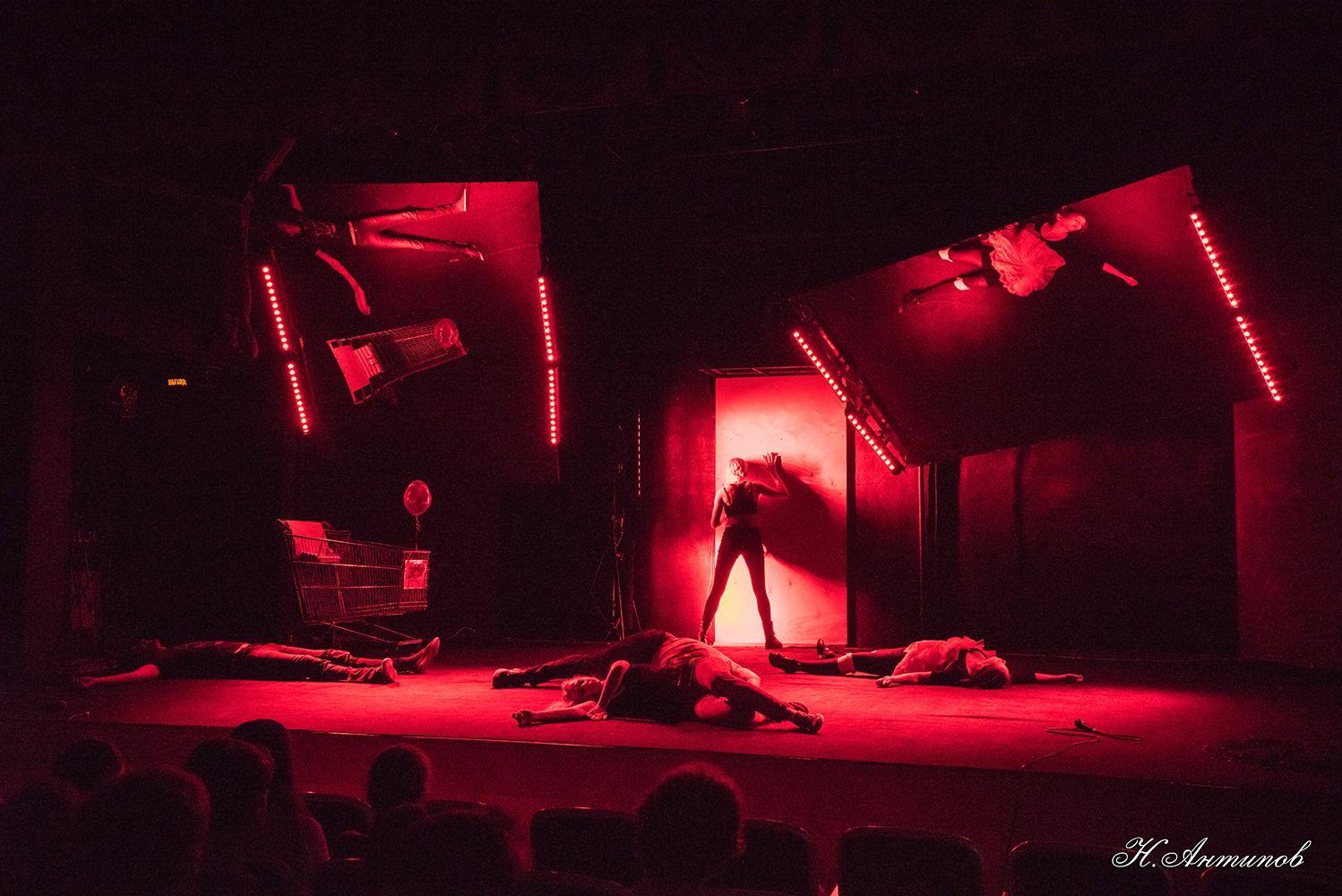
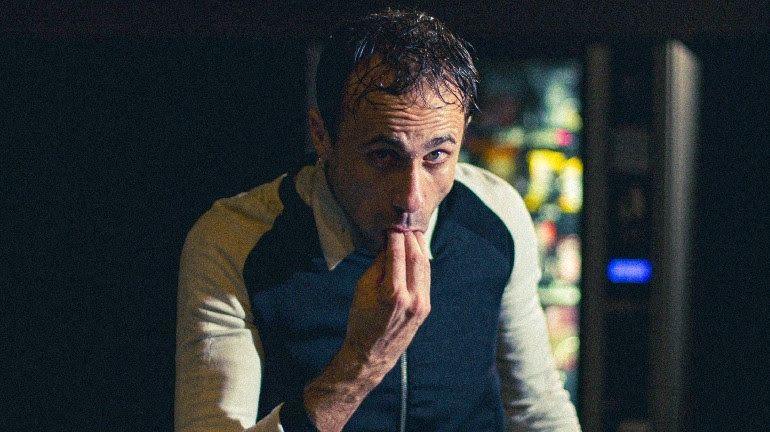
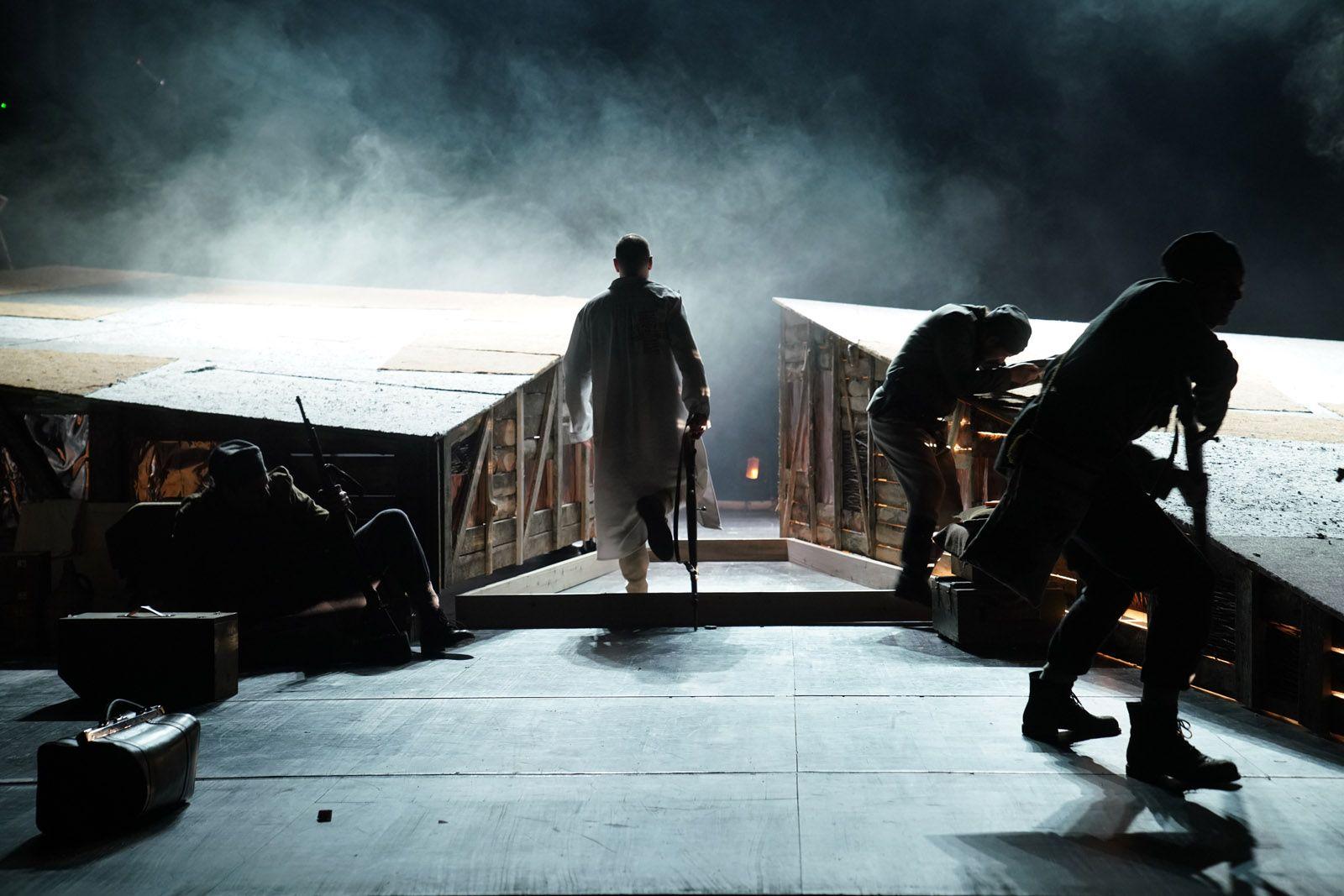
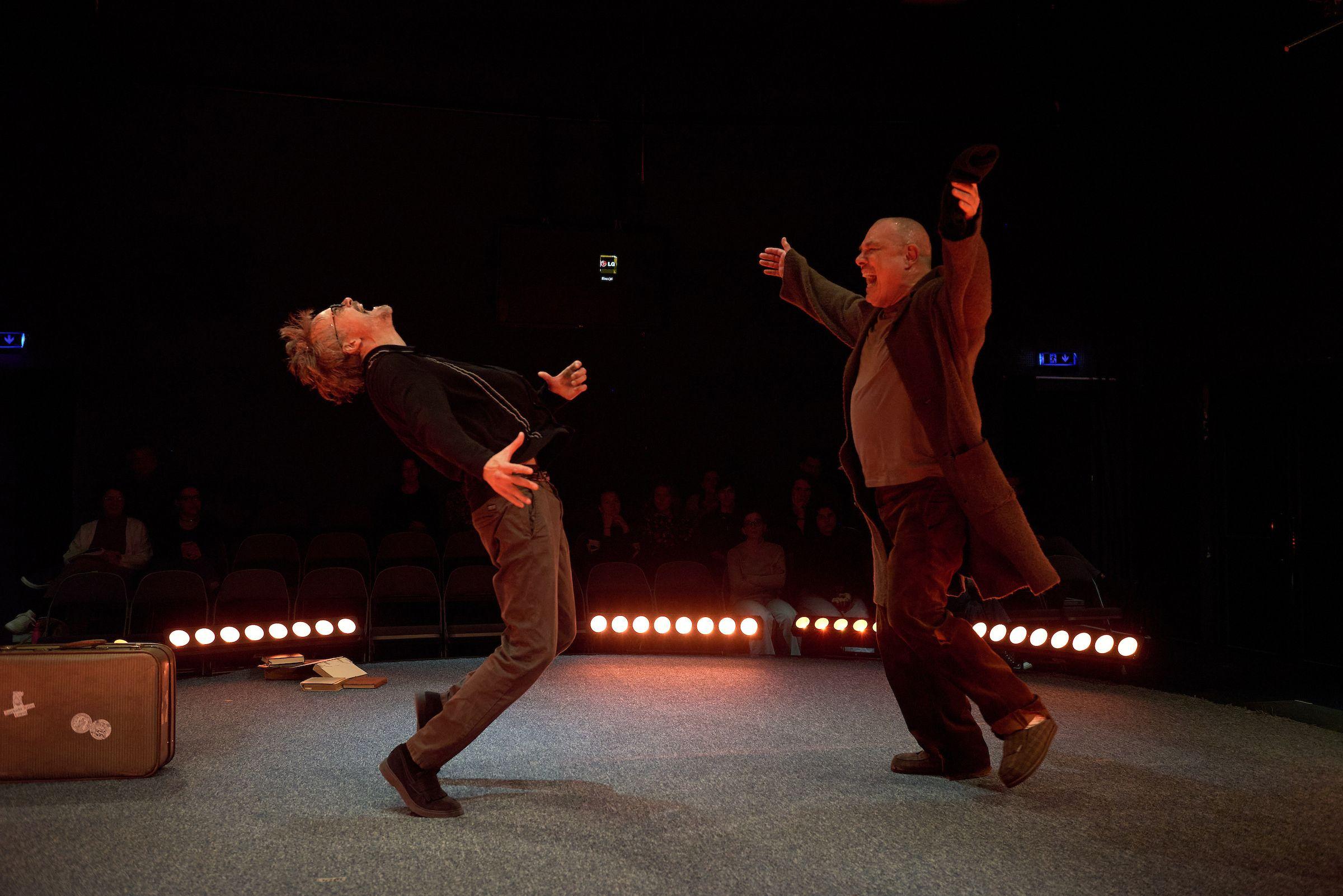
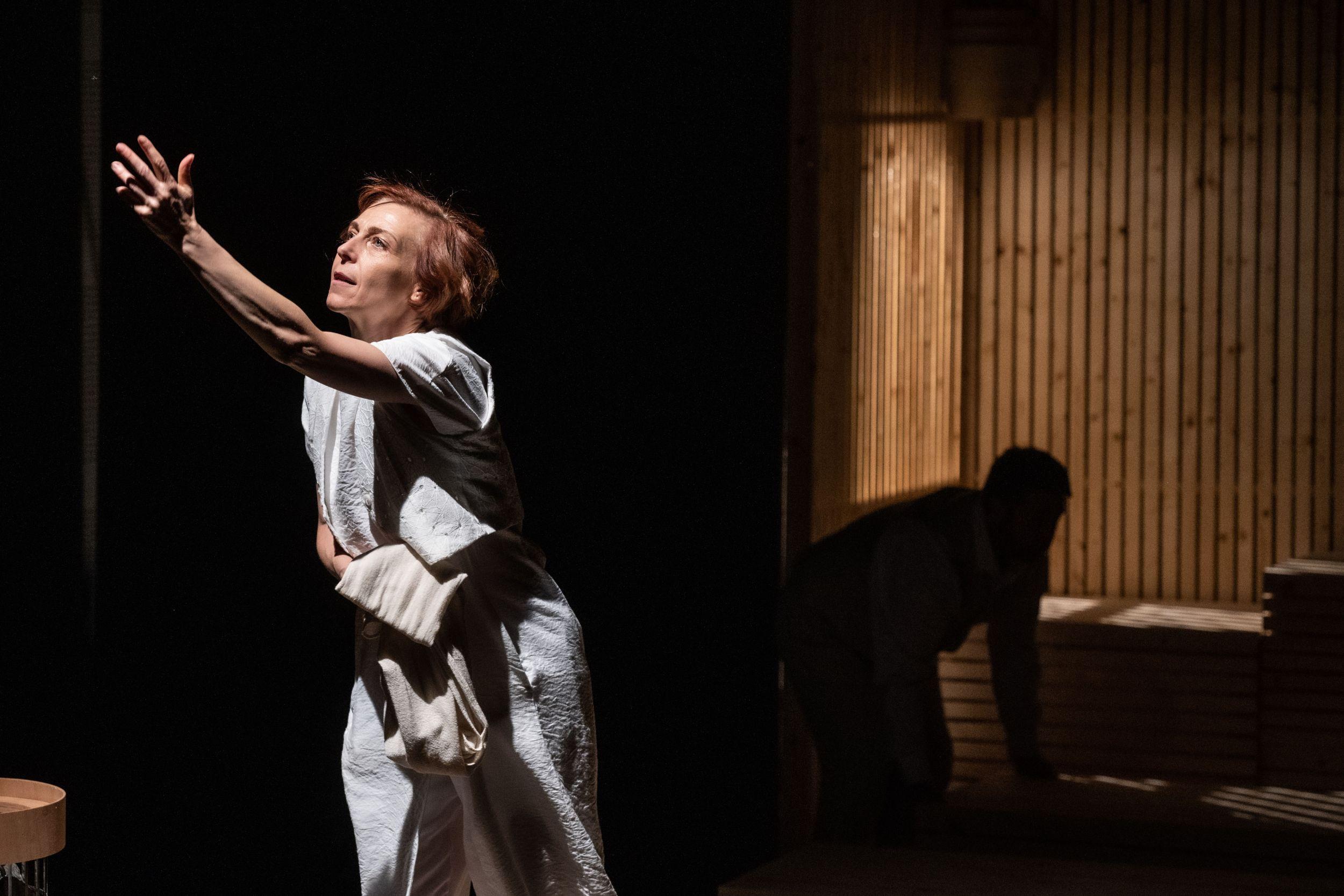
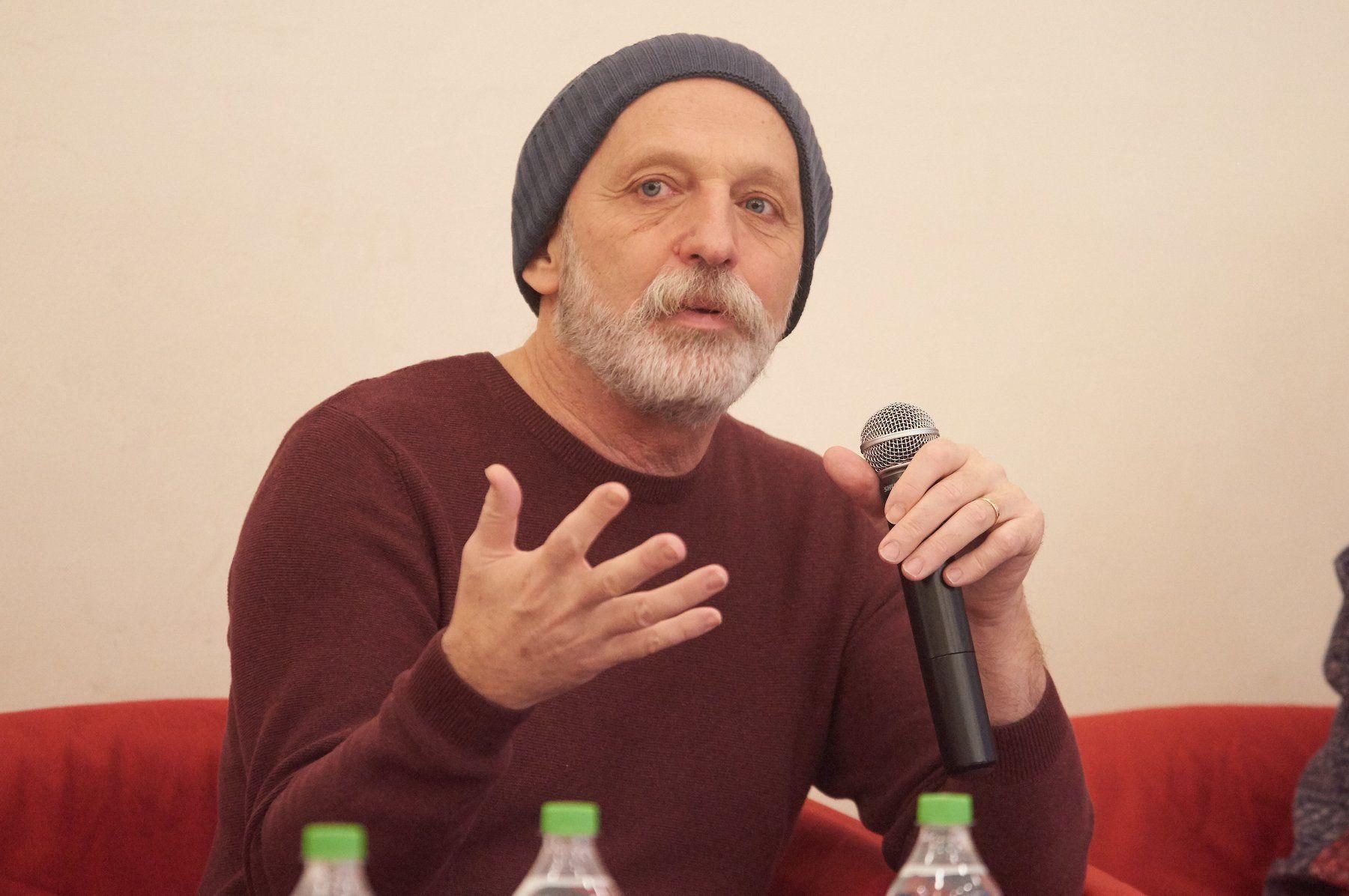
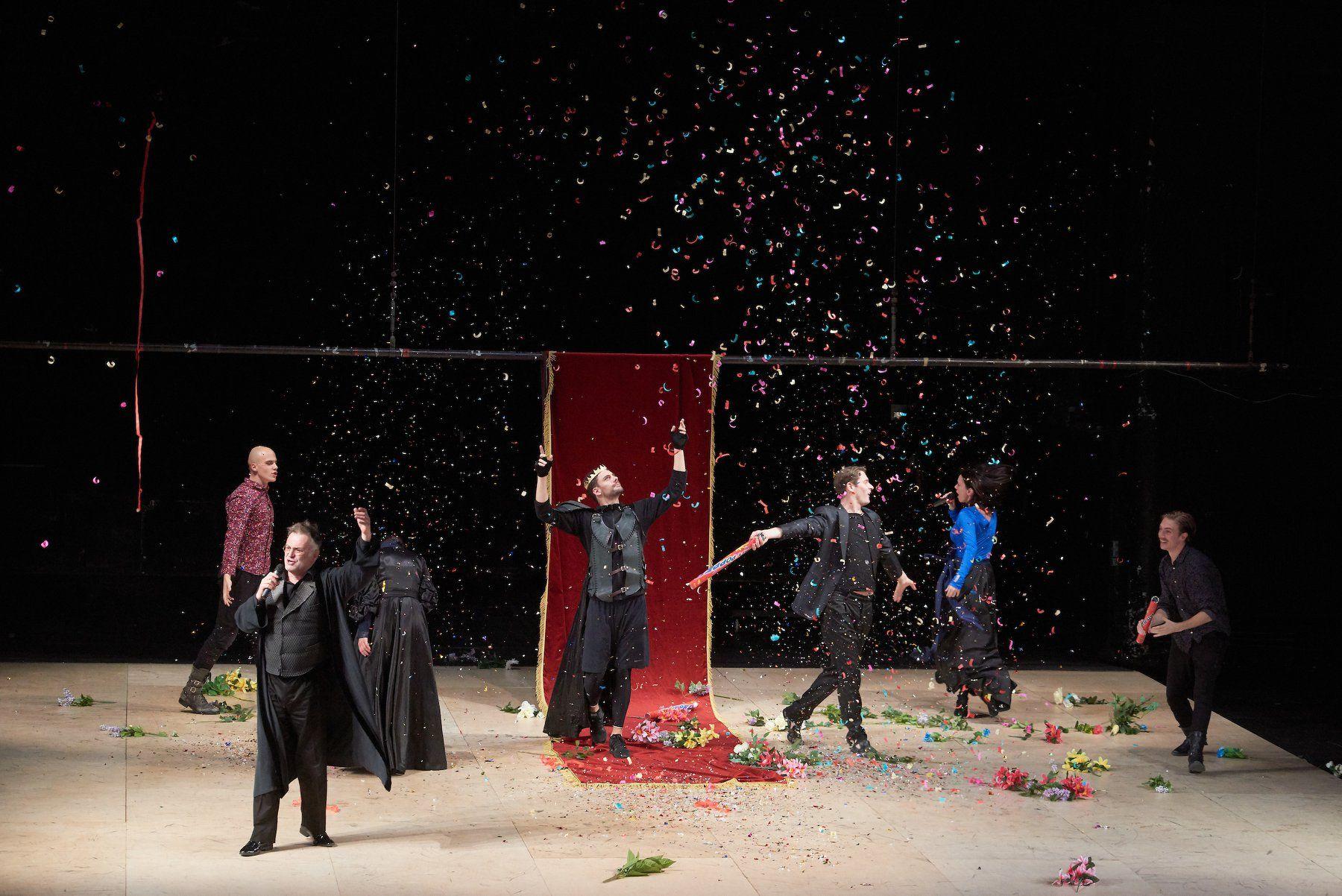
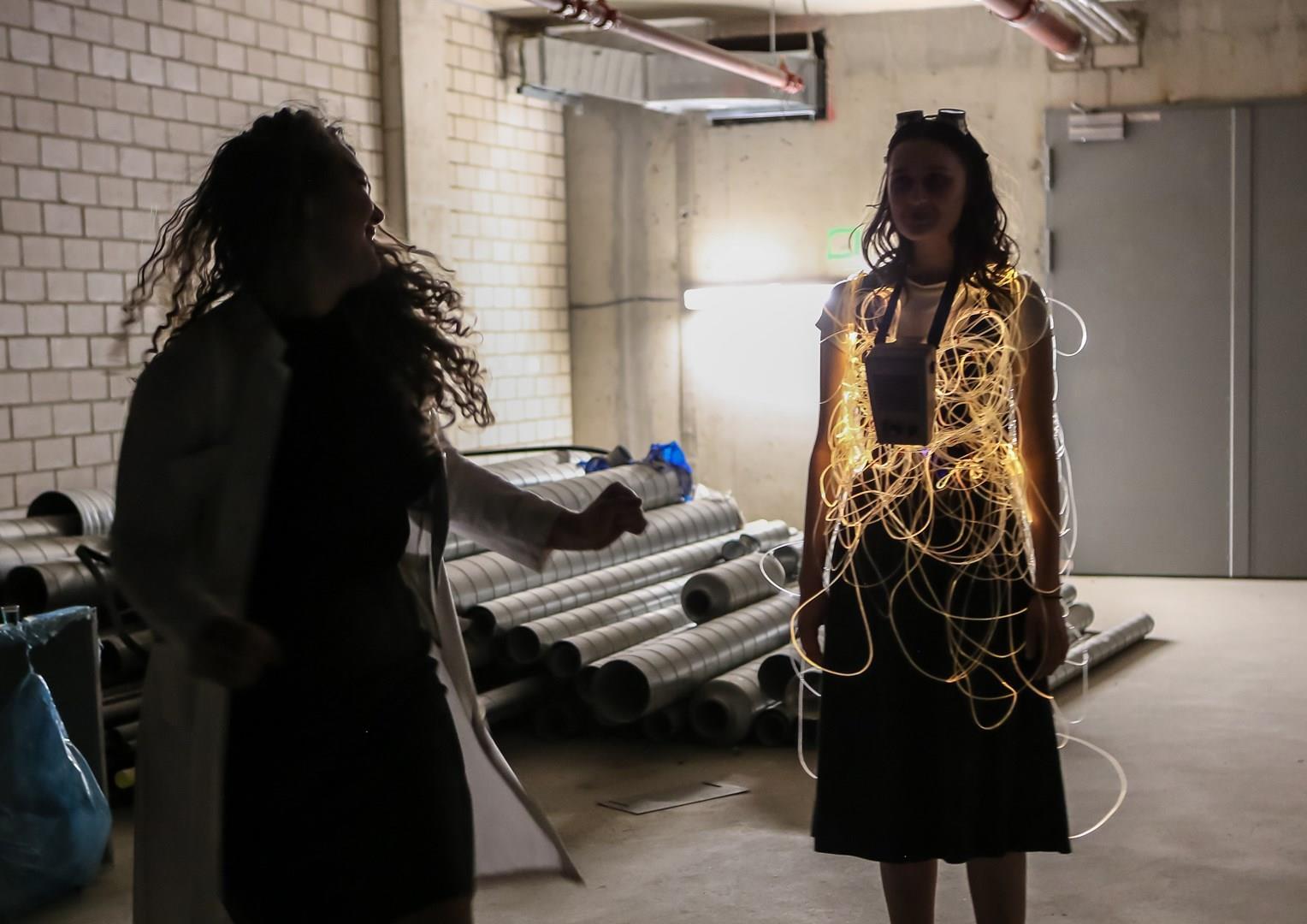
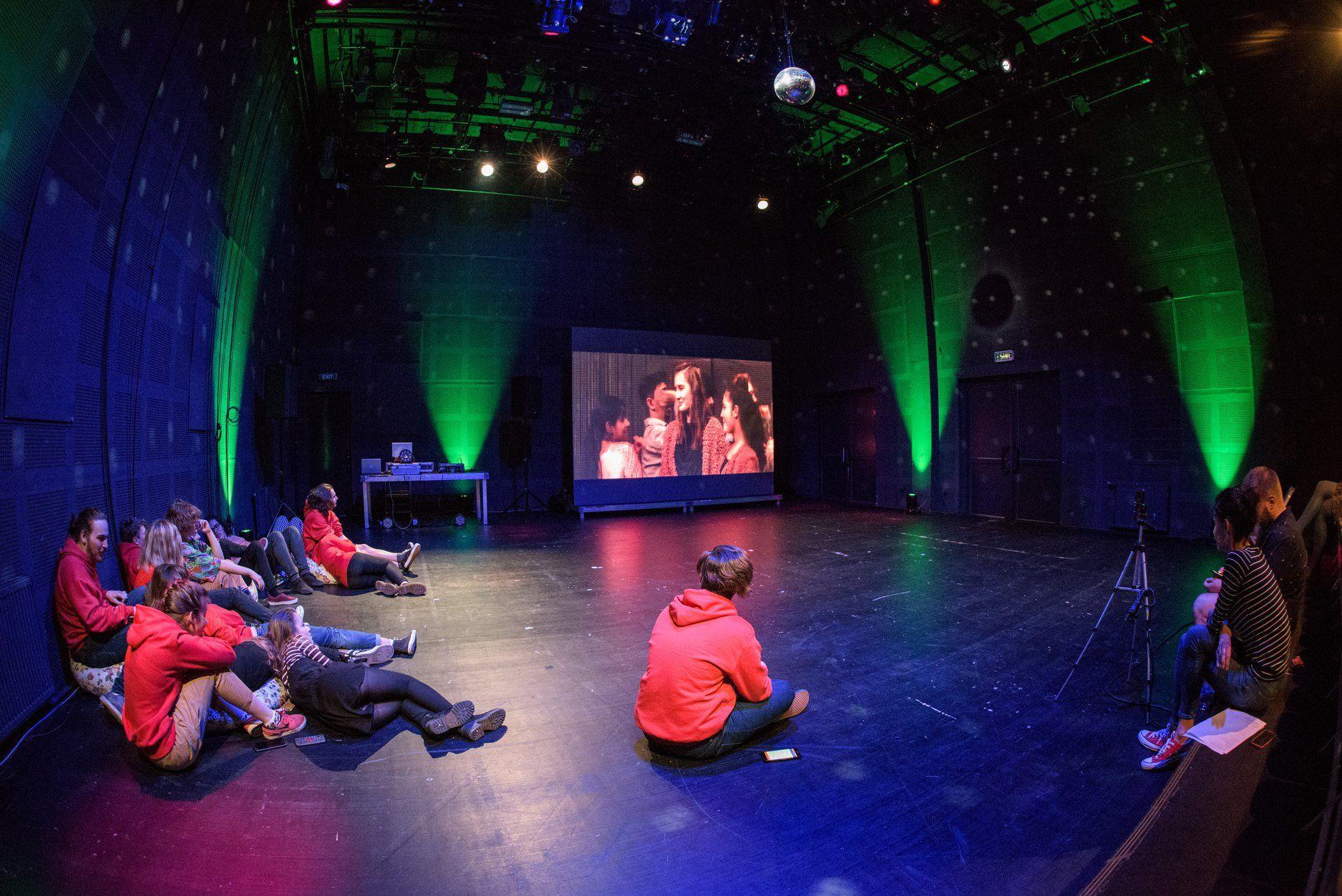
From 10 to 22 November, the Hungarian Theatre of Cluj hosts** the tenth Interferences International Theatre Festival**. Over 13 days, companies from 14 countries present 23 theatre and dance performances and two concerts, alongside audience meet-and-greets, professional roundtables, book launches and exhibitions. Several UTE members are on the programme. As a UTE member, the Hungarian Theatre of Cluj connects the network with Central and Eastern European theatre, and Interferences has long brought leading international artists to Cluj-Napoca. The festival was recognised with the Ion Caramitru Award for Excellence from the Romanian Theatre Association (UNITER) in 2023 and its director, Gábor Tompa, who also serves as UTE President, received the UNITER Lifetime Achivement for Directing in 2026. He says the name “Interferences” reflects Cluj itself: a meeting point of cultures whose traditions and worldviews influence one another. The theatre also contributes Exit the King, I Am the Wind (directed by Gábor Tompa), I Am Not Here (directed by Kinga Mezei) and Dead Souls (directed by István K. Szabó).
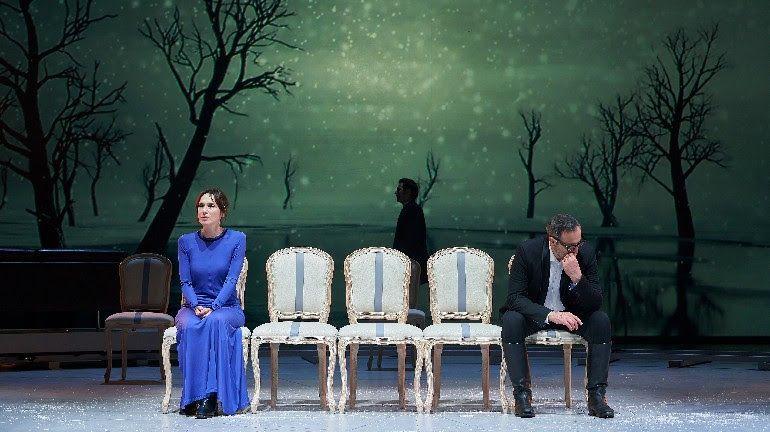
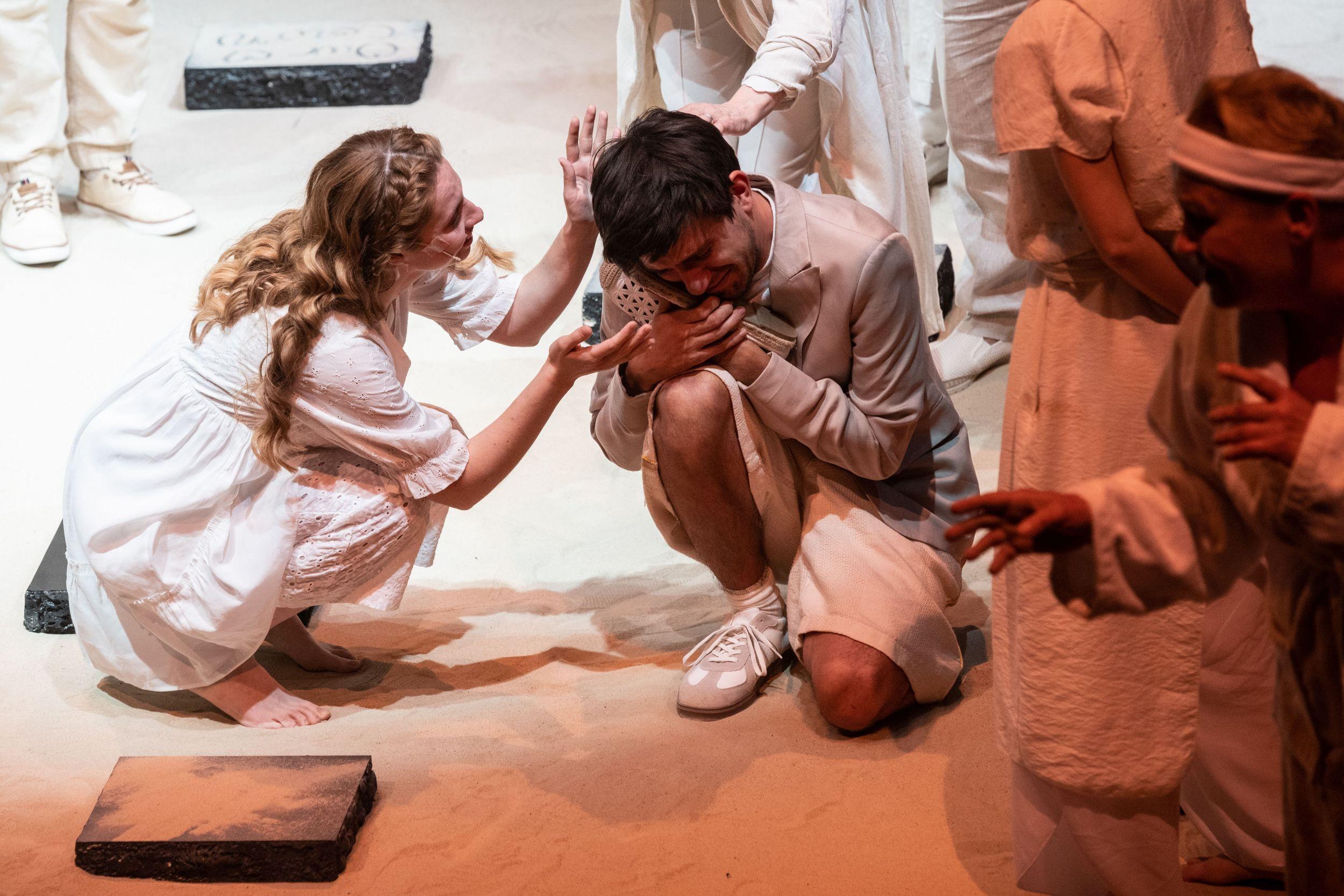
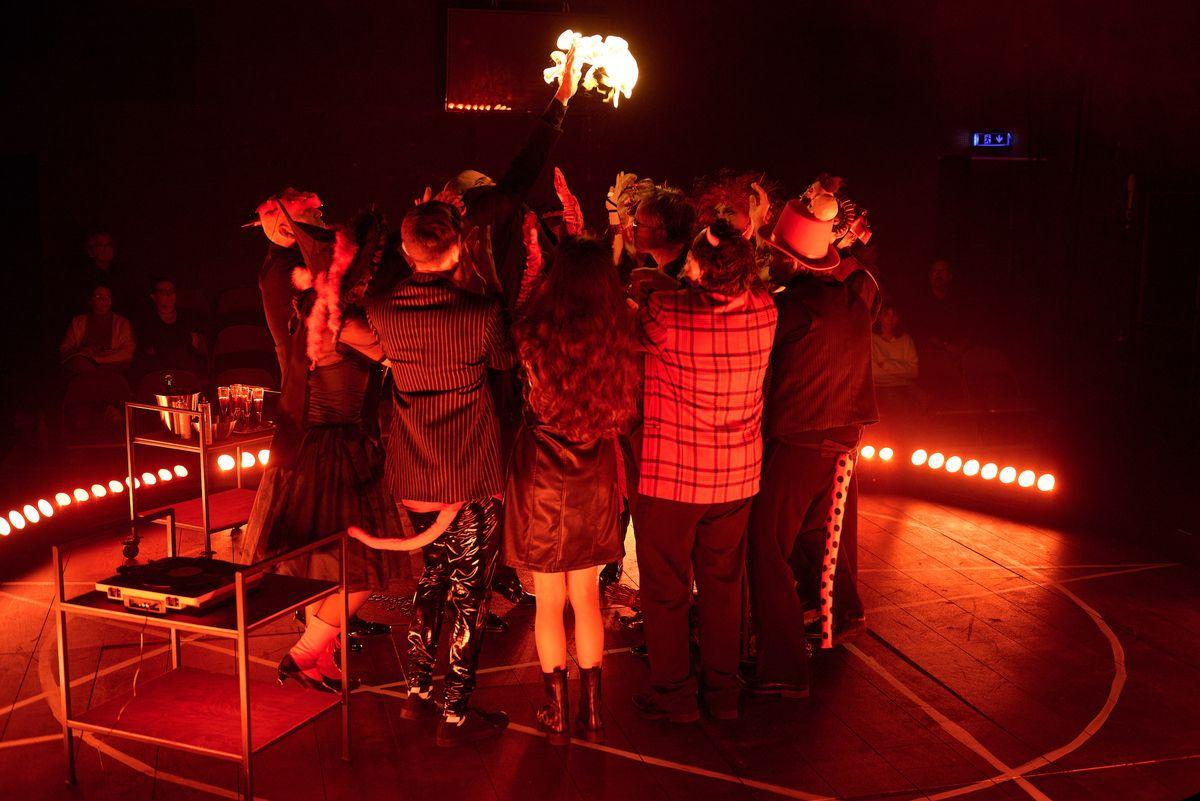
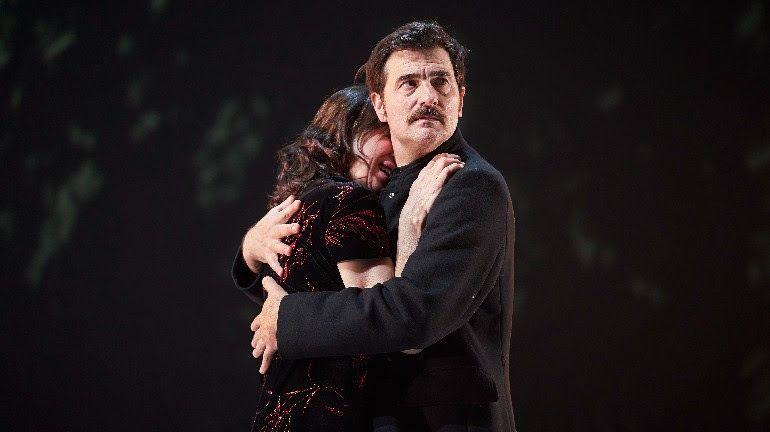
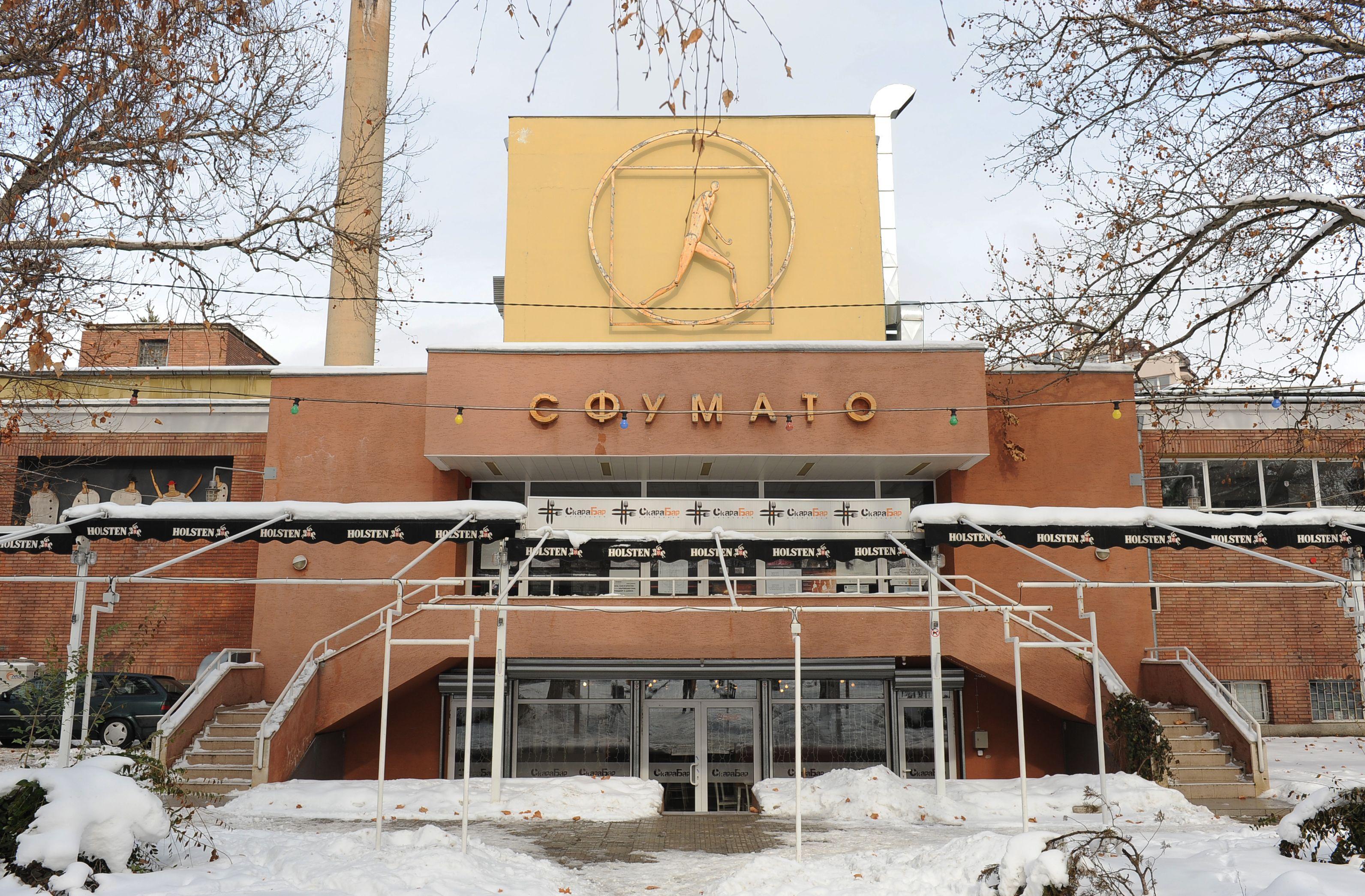
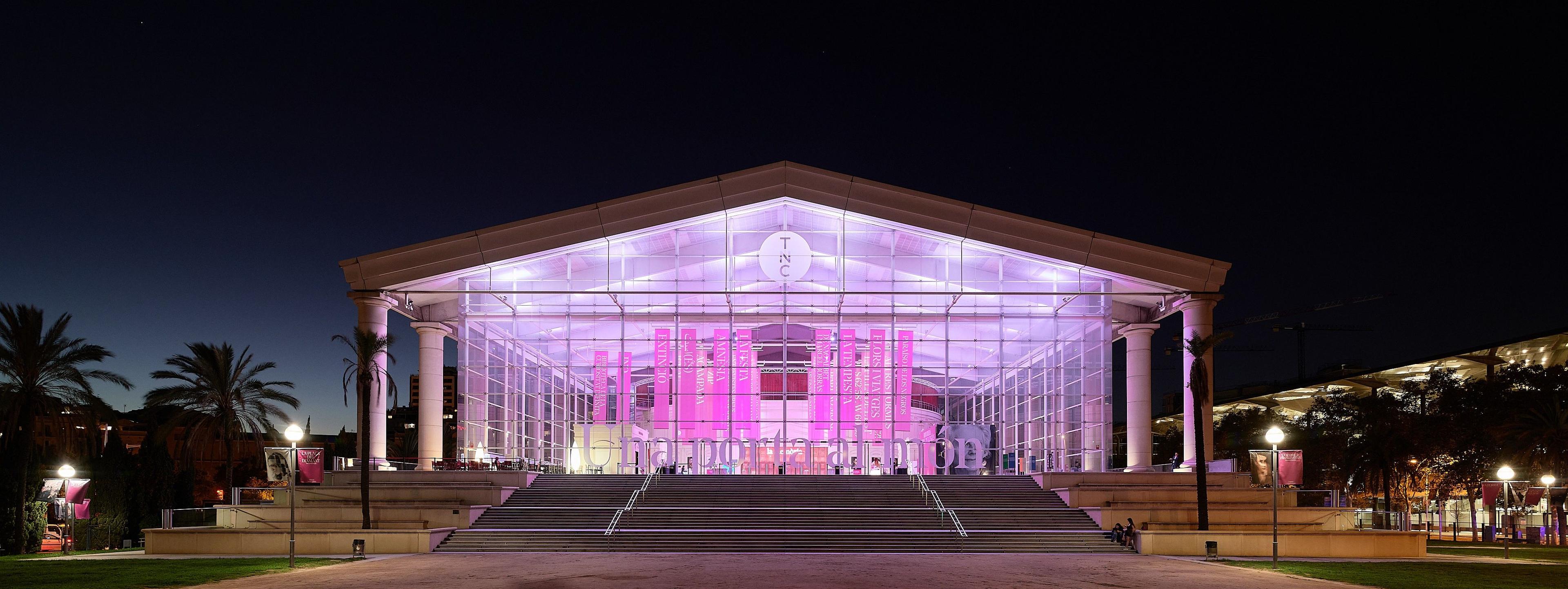
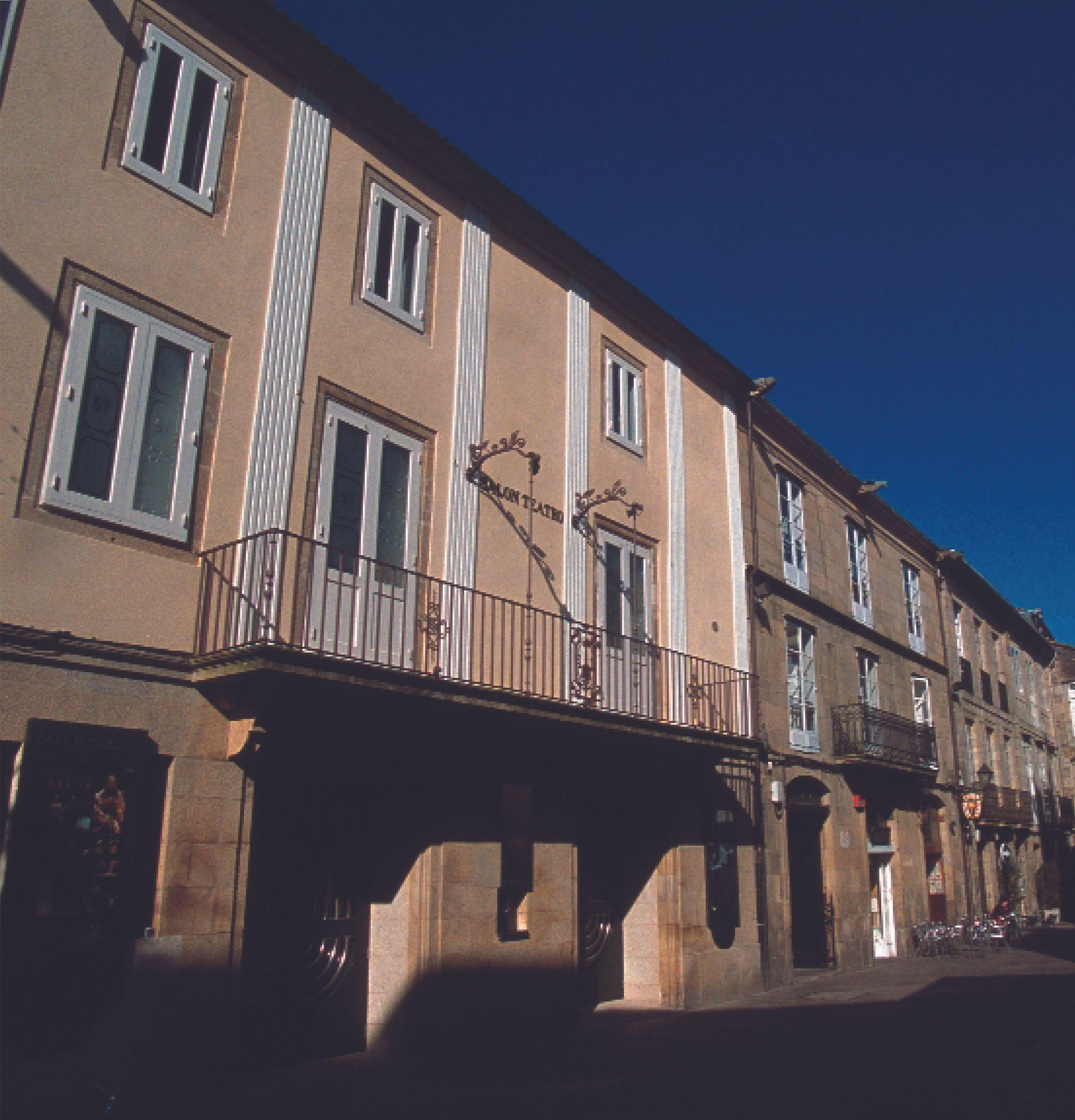
UTE members on stage Yugoslav Drama Theatre (Belgrade) brings The Picture of Dorian Gray, directed by Nataša Radulović (20 November 2026). Centro Dramático Galego presents The Seagull, Open Rehearsal by Santiago Cortegoso and Neto Portela (18 November 2026). Sfumato Theatre Laboratory (Sofia) returns with The Face of the Neighbor, based on Dostoevsky and directed by Margarita Mladenova, a regular guest of the festival (21 November 2026). Théâtre National du Luxembourg offers Dream Story, after Arthur Schnitzler, directed by Frank Hoffmann (19 November 2026). Teatre Nacional de Catalunya, together with Festival Temporada Alta, presents Gluttony by Pau Matas Nogué and Oriol Pla Solina (21 November 2026).
More highlights The programme also includes work by Emma Dante, Silviu Purcărete, Josef Nadj, Luk Perceval and Akram Khan Company, and concerts by Lucian Ban and Tibor Kováč. An exhibition, Interferences: Nine Editions in Pictures, looks back at the festival’s history. The full programme is on interferences-huntheater.ro/2026/. All performances have Hungarian, Romanian and English subtitles.
UTE Members
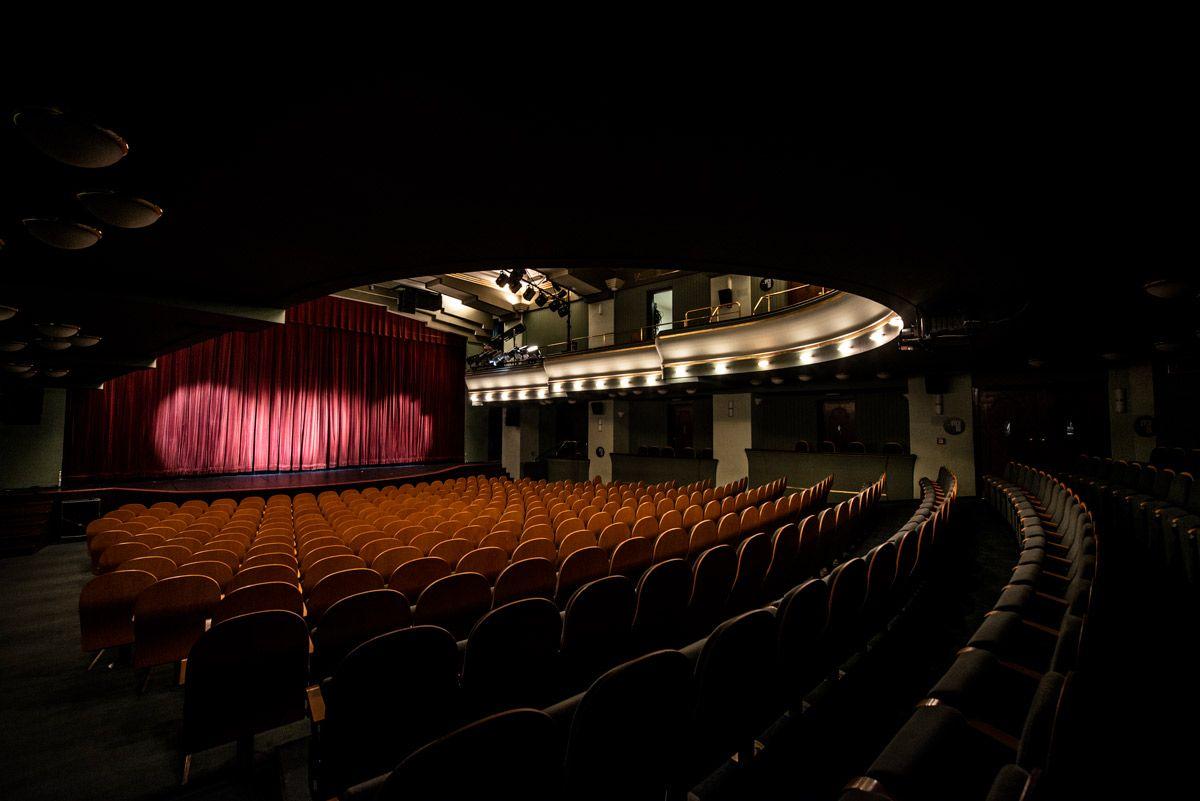
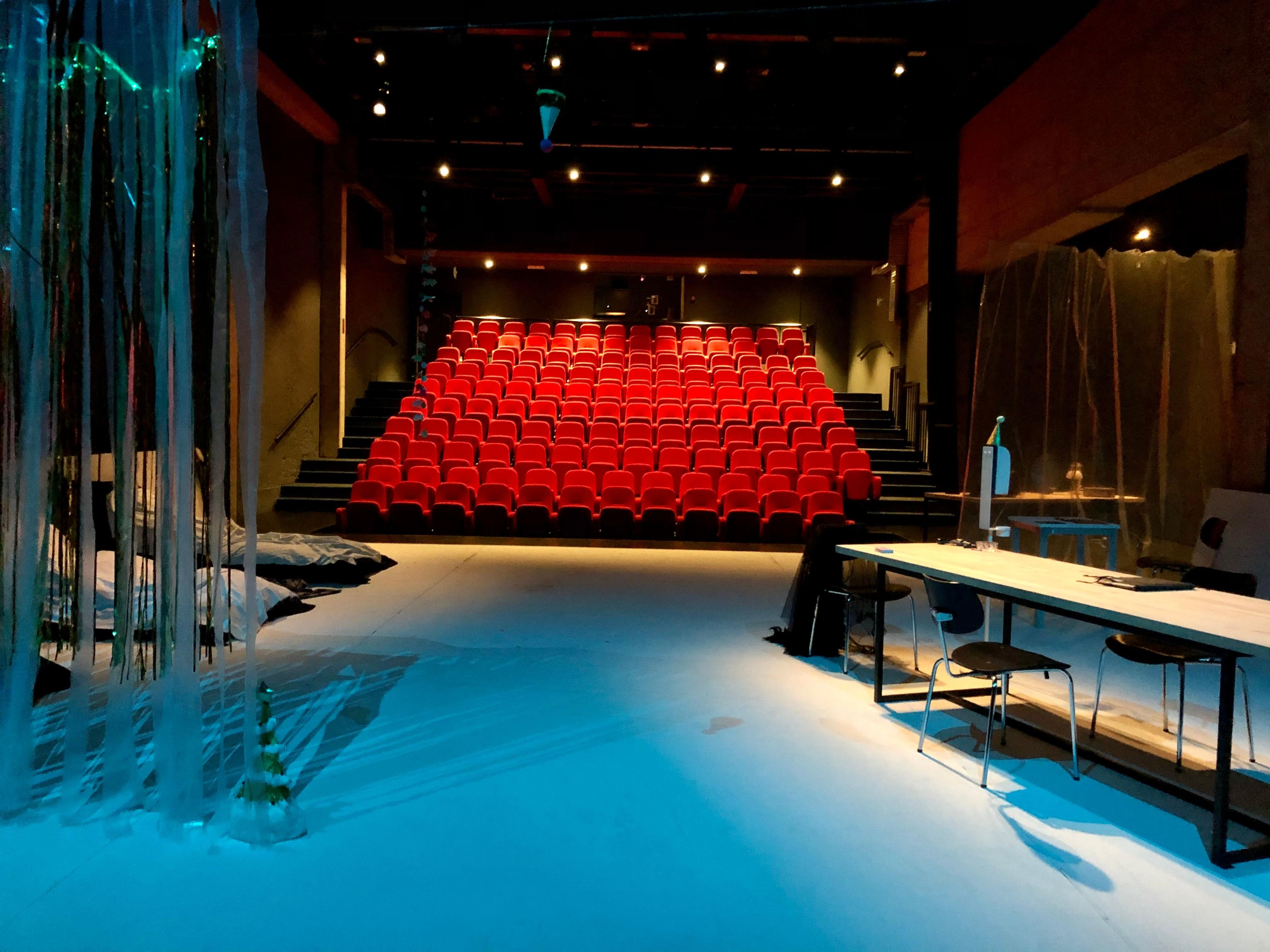
Made up of 25 members, the Union des Théâtres de l’Europe is represented in 16 countries in Europe and beyond. The UTE consists of 11 theatres, 12 members of honour and 2 individual members, and relies on a diversified network of associated structures and partners (theatres, cultural centres, companies, festivals, academies).






UTE Academy 2026
After a long break, UTE Academy returns in 2026 with a renewed programme dedicated to the study and practice of classical text and repertoire. The first stop of this new edition takes place at Teatro India, marking the beginning of a four-part journey focused on different aspects of working with classical material in contemporary performance contexts.
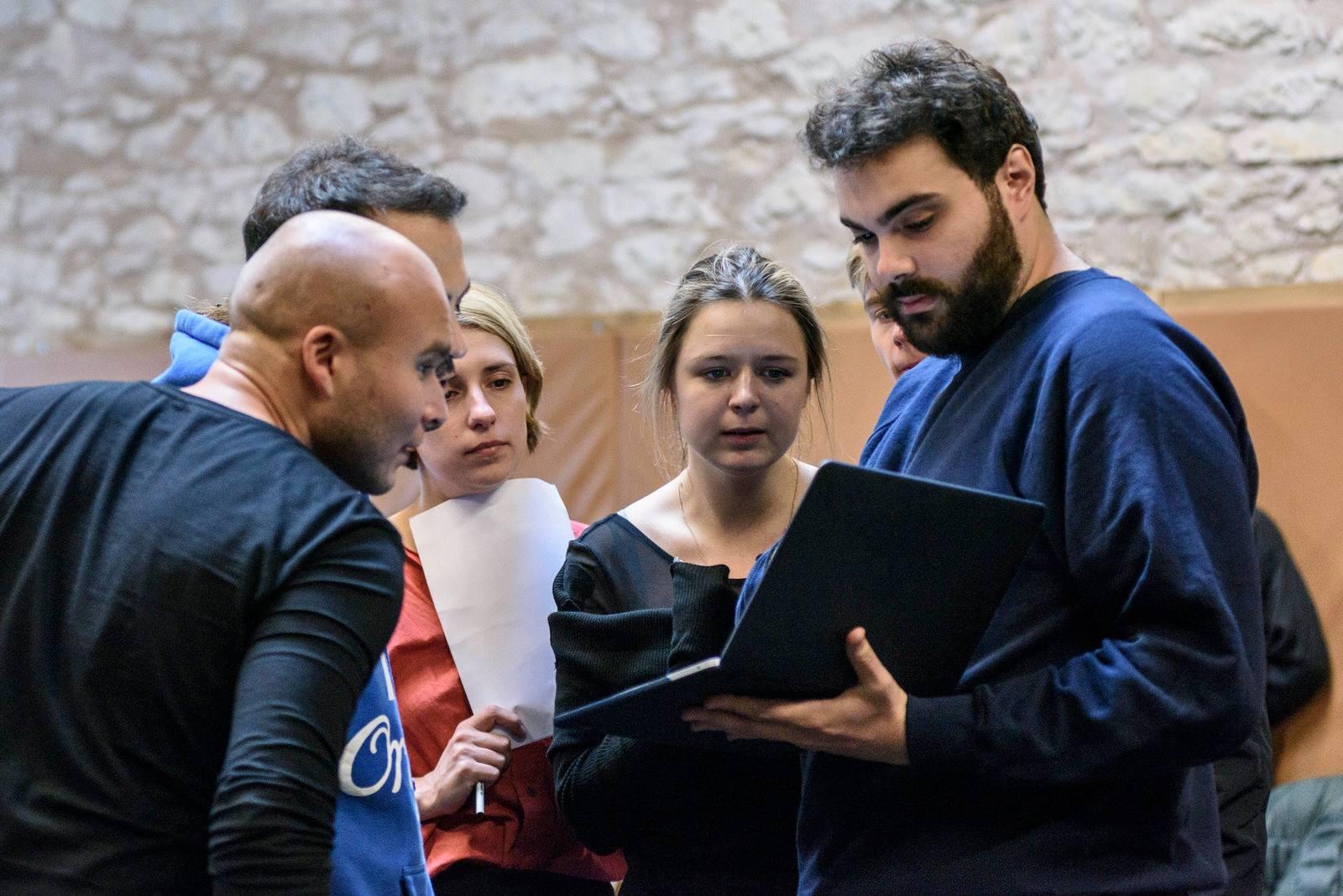
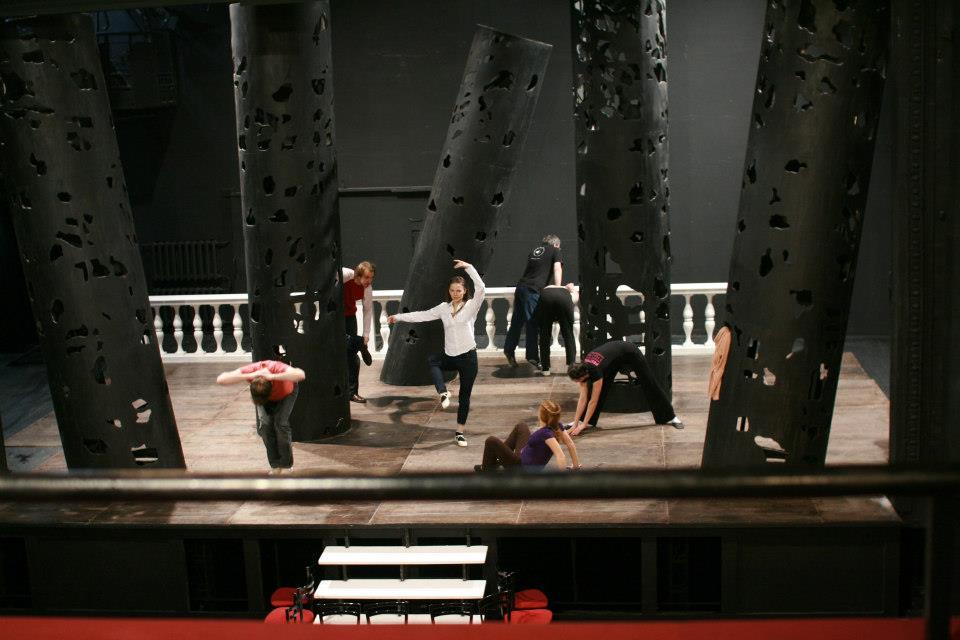
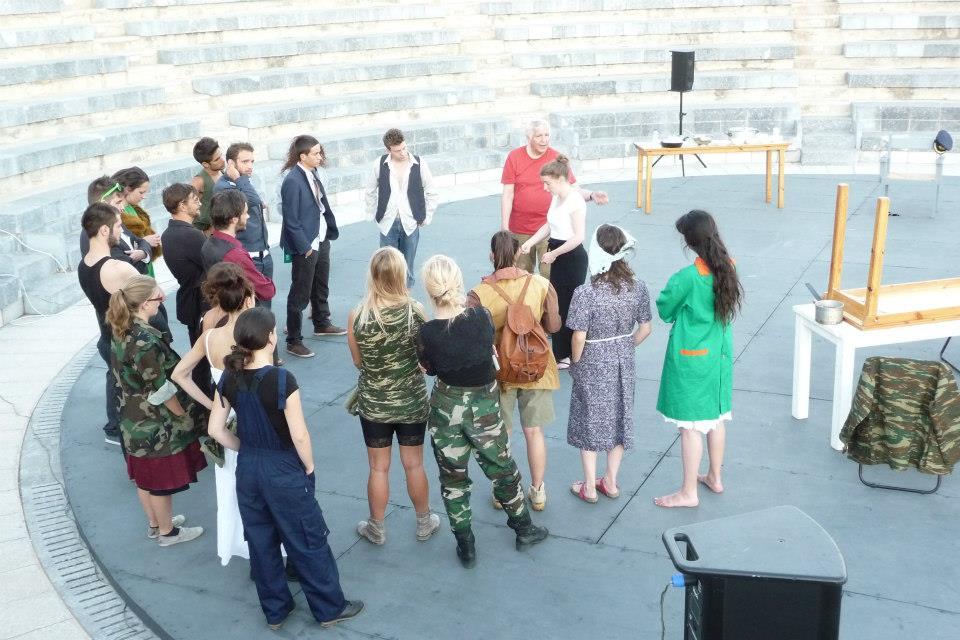
The workshop at Teatro India focuses on approaching classical texts through a close examination of recurring motifs, historical and cultural contexts, and dramaturgical structures. Particular attention is given to how artistic choices — in interpretation, language, rhythm, and action — influence character development and narrative meaning. By grounding the work in tradition while encouraging critical reflection, the workshop aims to support actors in developing tools that allow classical texts to speak clearly and meaningfully to contemporary audiences.
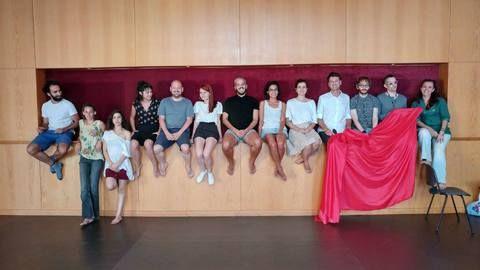
The workshop is led by Nuno Cardoso, project coordinator of UTE Academy, together with Florian Hirsch, Head Dramaturg at the Théâtre National du Luxembourg, and Gianni Garrera, musicologist and dramaturg. Drawing on their complementary backgrounds and professional experience, the team offers participants a guided yet open framework for research, discussion, and practical work.
UTE Academy 2026 is built on the belief that learning from the past is essential to creating relevant theatre today. Through collective study, dialogue, and practice, the programme encourages actors to deepen their understanding of classical repertoire while developing a conscious, informed approach to performance in the present.
Projects
Bringing artists together to exchange ideas, experience and knowledge, and to create together — this is the mission of the Union of European Theatres. Each year, the UTE brings together multiple theatres, companies and artists, all eager to critically reflect on society through creating together. A variety of events taking place throughout the year in the UTE theatres, ranging from festivals, round tables, and conferences to publications, are the outcome of this fruitful exchange.